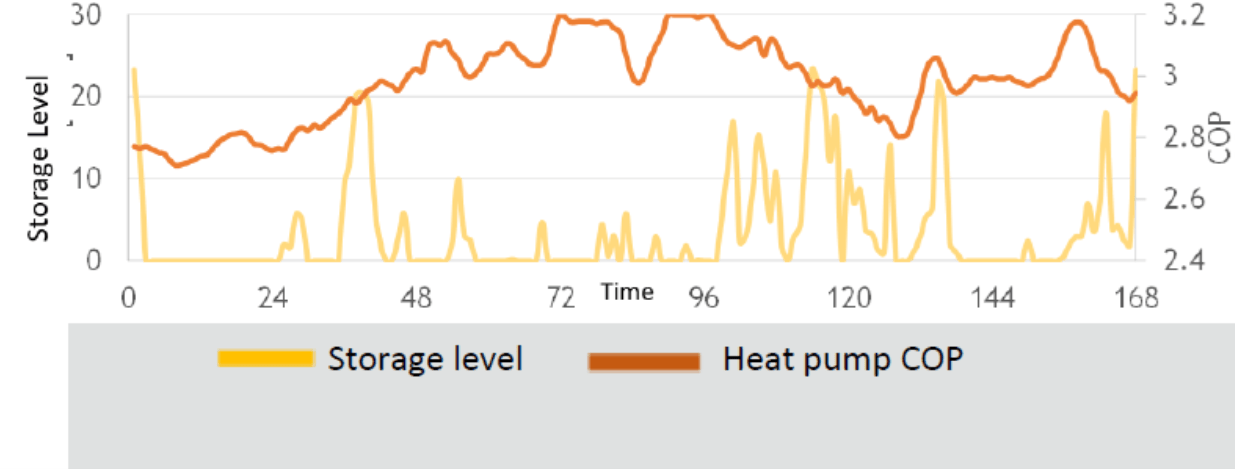
COMODO simulates the diffusion process of distributed generation technologies in the residential, tertiary and industry sectors. In a first step, consumers are clustered into consumer classes according to technical (e.g., electricity and heating demand, available roof surface) as well as socio-economical characteristics (e.g., income, education).
In order to satisfy their electricity and heating demand, the resulting consumer classes have the possibility to invest in different technology options such as PV systems, micro CHP, gas condensing boilers, heat pumps, heating rods, electrical storage and heat accumulators. Furthermore, consumers may also implement energy efficiency measures. Aside from monetary factors, COMODO takes into account other agent preferences and behaviors such as efforts to achieve energy independence or consumer inertia.
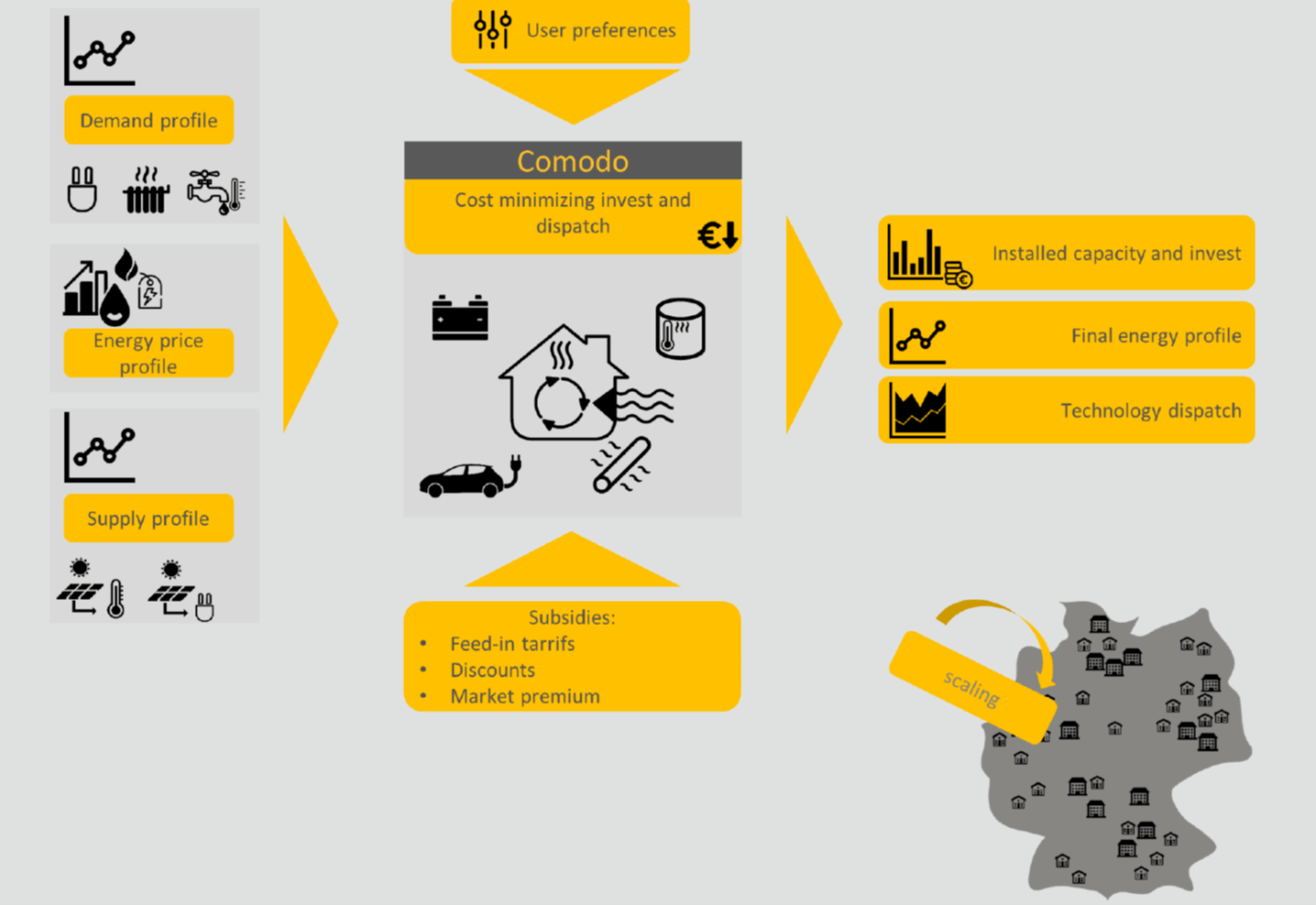
On the one hand, model results show the optimal solutions for individual consumer classes with regard to installed capacity, energy demand, generation profiles as well as emitted CO₂-emissions. On the other hand, the model provides insights into the aggregate potential as well as the temporal and spatial diffusion processes of distributed generation.
COMODO identifies various energy configurations for individual consumers or representative consumer classes as well as calculates cost deltas between alternative configurations. In doing so, the model takes into account different types of decisions based on consumer priorities (e.g. cost-minimizing and non-monetary preferences).
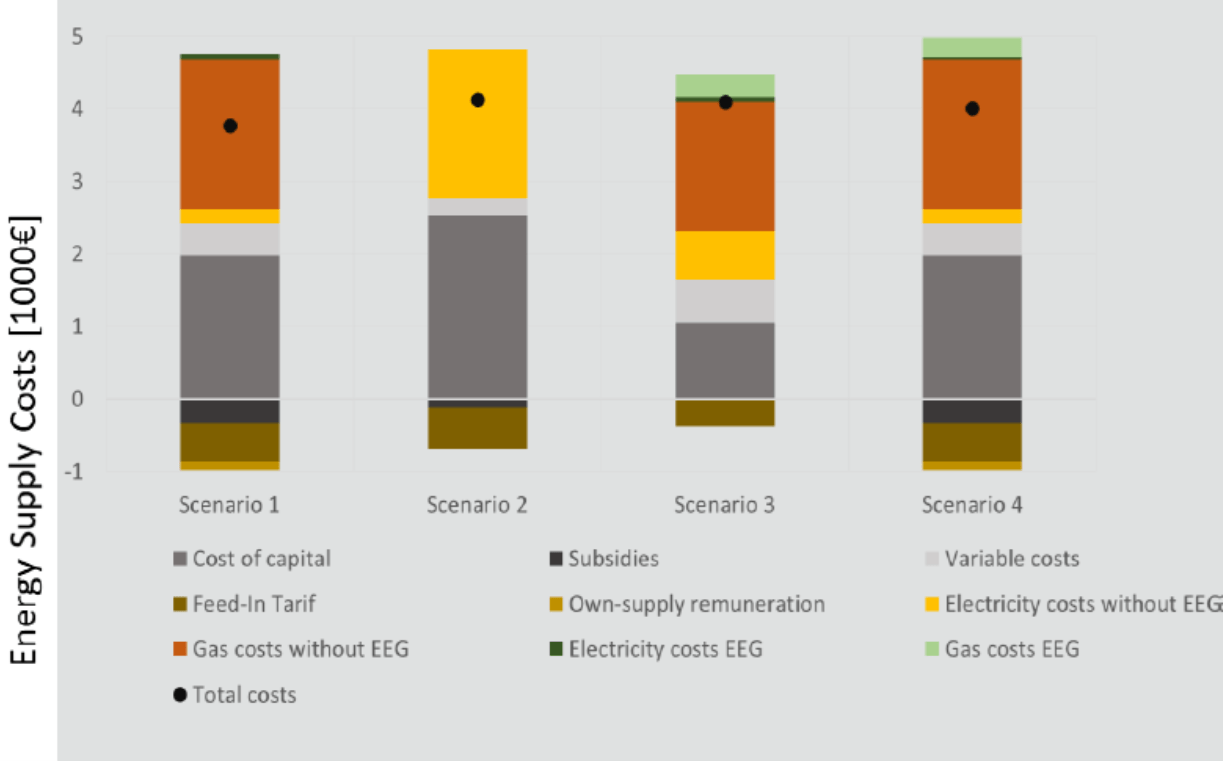
COMODO shows the temporal development of distributed generation with regard to previously installed technologies, incentives and regulatory framework as well as consumer inertia.
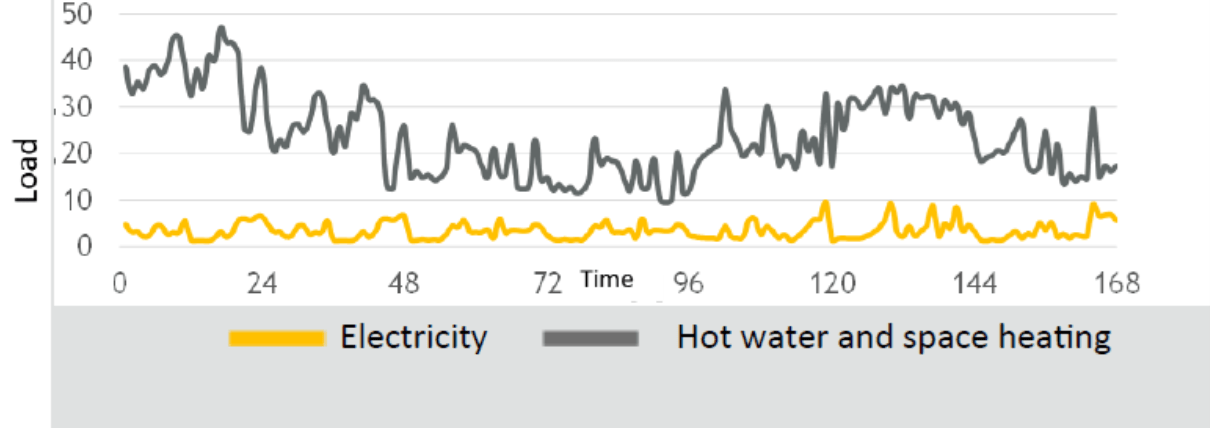
COMODO reveals the diffusion process of distributed generation for a given consumer class on the regional level or for a specific target area. The assessed potential does not only take into account the location and roof size, but also building types and age, the corresponding renovation level, the habitable area and number of inhabitants.
COMODO allows quantifying the effects of political measures such as subsidies, CO₂-pricing, or market developments (e.g., cost degressions) on the diffusion of technologies. Agent behavior (like herding or inertia) and preferences (like tech-savvy or eco-friendly consumers).