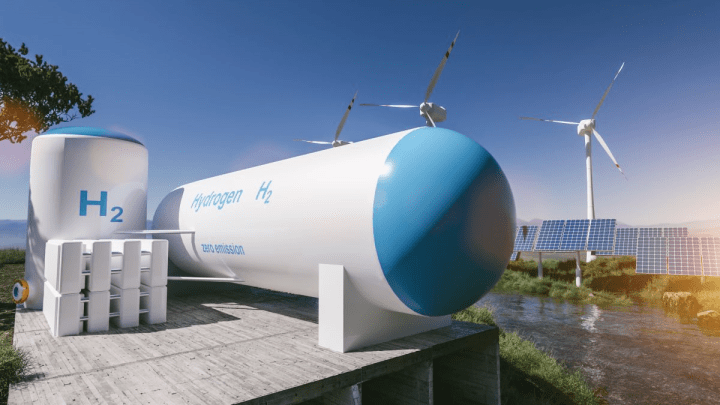
The cost of hydrogen imports is influenced by financing and transportation options. Hydrogen storage also plays a crucial role in a climate-neutral energy system. This was the subject of the latest EWI-Insights.
System-serving electrolysers can support the energy system and save costs as well as resources. An EWI report shows that such electrolysers could be located in all parts of Germany.
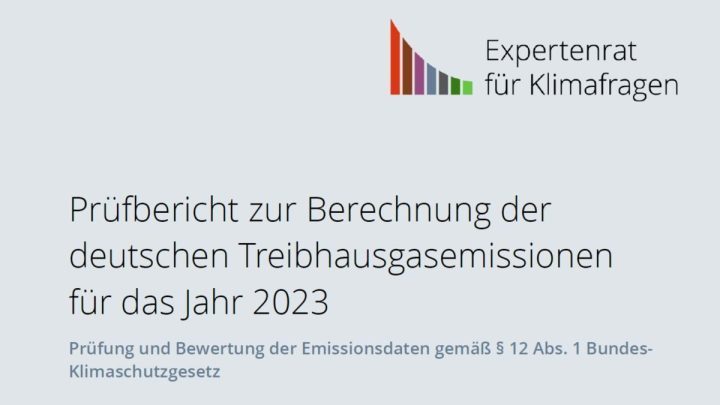
The German Council of Experts on Climate Change has reviewed the projection data for 2024. Compliance with the climate target for 2021 to 2030 has not been confirmed, the new report shows. EWI Director Marc Oliver Bettzüge is part of the five-member panel.
With the EWI Global PtX Cost Tool, the EWI shows where green hydrogen and derivatives such as ammonia could be imported cheaply. With the update of the tool, various influences on production and import costs can now also be analyzed.
In its new review report, the German Council of Experts on Climate Change shows that the transport sector has once again missed its target. The emissions data for the building sector is not clear. EWI Director Marc Oliver Bettzüge is part of the five-member panel.
Supplying customers with hydrogen could be a building block of the energy transition. On behalf of the DVGW, the EWI has estimated the potential level of future hydrogen network tariffs in a hydrogen scenario defined by the DVGW.