Germany relies heavily on imports for its hydrogen supply. A new EWI study analyzes the local conditions of more than 80 countries focusing on hydrogen supply security.
Heat pumps are a central component in the shift towards sustainable heating. Due to economies of scale, large-scale heat pumps supplying several residential buildings in settlements or neighborhoods prove to be an efficient decarbonization option.
The project “Building a Sustainable Energy Future” (BaSEF) addresses the importance of green hydrogen in future energy systems. It also focuses on producing and exporting hydrogen in Egypt.
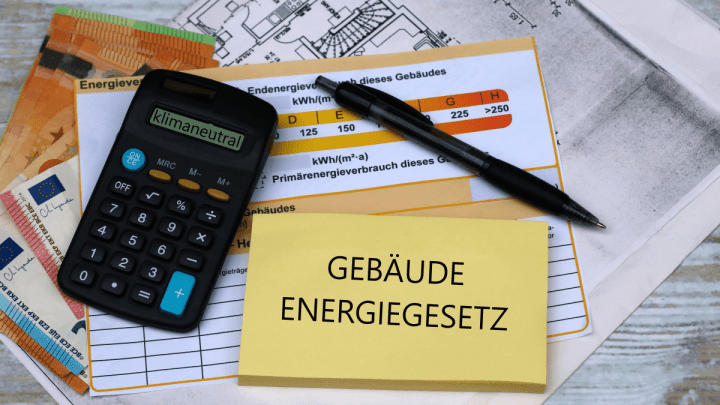
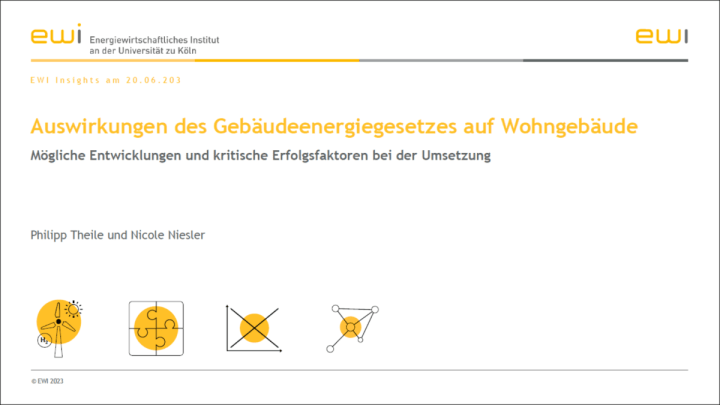
The recently passed GEG could lead to a sharp increase in the absolute number of heat pumps in Germany. Compared with its cabinet draft, however, the installation numbers are lower.
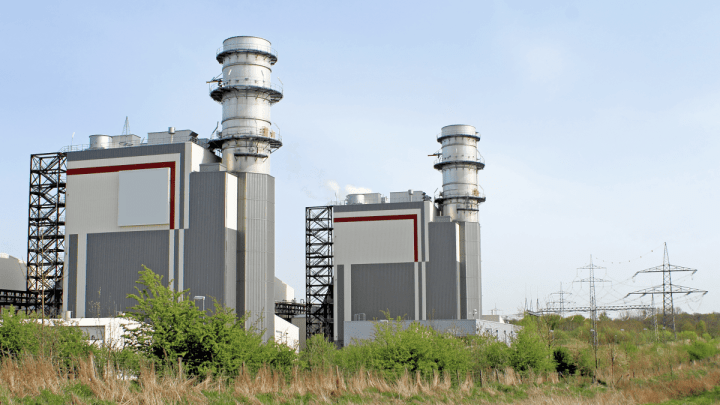
The controllable power plant capacity in NRW is decreasing due to the coal phase-out. In a current study, the EWI examines the security of supply of the electricity system in 2030 from a market and a network perspective.
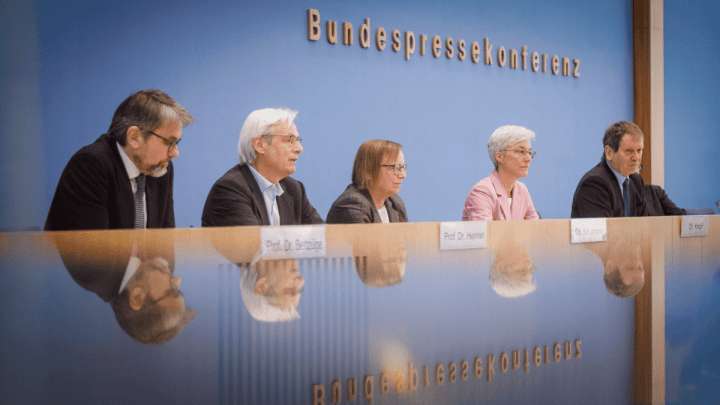
The Council of Experts on Climate Change comments on the Climate Action Programme 2023. Significant emission reductions are possible with it, but there is still a gap to the KSG targets. EWI Director Marc Oliver Bettzüge is part of the five-member panel.
Clusters can accelerate the market ramp-up of hydrogen. How hydrogen clusters work, what the status quo is in Germany, and what options at the moment exist are discussed in a policy brief by EWI.
Rising demand and the coal phase-out are changing the energy market. The German government has announced a power plant strategy for summer 2023 to ensure security of supply. The EWI discusses targets as well as design and governance.
EWI welcomes Jun.-Prof. Dr. Oliver Ruhnau as Research Scientist at the Institute from July 2023. Ruhnau is an expert in energy economics as well as the sustainable transformation of energy systems and strengthens the EWI in the field of energy market design.