News (Page 3 of 25)

EWI Doctoral Fellowship: Research Fellowship in Energy Economics

The University of Cologne, in cooperation with the EWI, is offering the EWI Doctoral Fellowship for doctoral students in energy economics. Interested candidates can apply for the EWI Doctoral Fellowship until March 15, 2026.

European power market integration stagnates – How can policy respond?

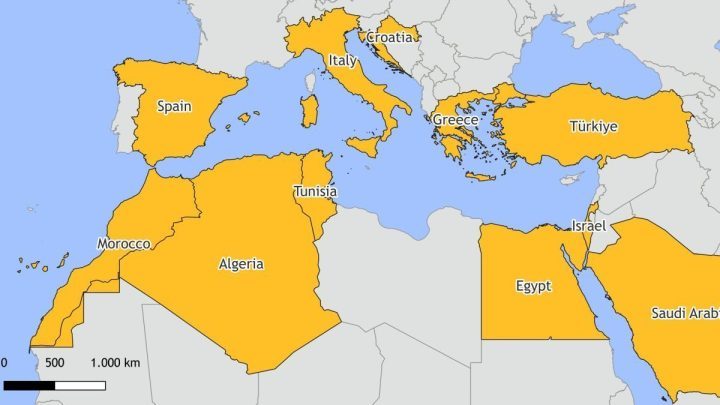
International electricity interconnectors are essential for a cost-efficient and climate-neutral European energy system. An EWI analysis identifies policy instruments that can make grid expansion beneficial to consumers across all participating countries.

Time-of-use network charges for more flexible electricity demand

Electricity network charges are usually levied independently of actual grid utilisation and therefore do not create incentives for grid-supportive behaviour. In the Federal Network Agency’s AgNes process, the focus is on stronger temporal and spatial dynamisation.

Energy research: Prestigious Theodor Wessels Prize awarded

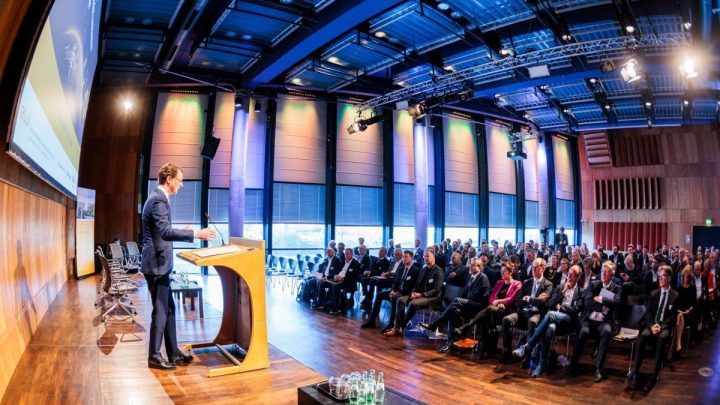
This year, the prestigious Theodor Wessels Prize was awarded to four researchers who have conducted research on various topics related to the energy industry. The award, presented by the EWI Alumni Association, is given every two years and is endowed with a total of €10,000.

High uncertainties about climate-neutral dispatchable power plants

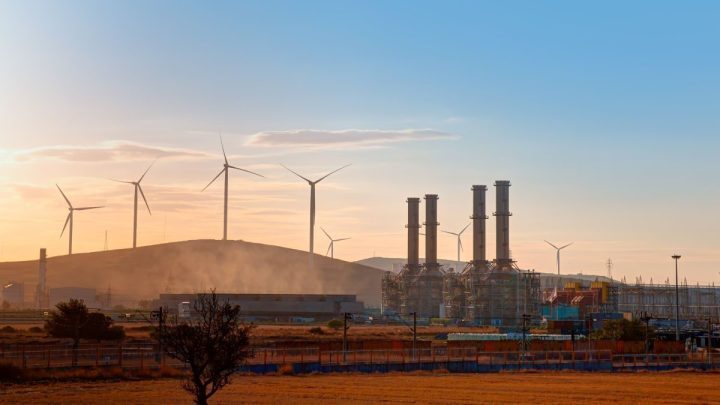
Dispatchable power plants are necessary for security of supply. For them to be climate-neutral, they must be decarbonized. The EWI analyzes three fuel options: renewable and low-carbon hydrogen, and natural gas with CCS.

EWI Insights: Green hydrogen in the european context

The RFNBO criteria specify which electricity may be used to produce green hydrogen. The impact of these criteria on costs and capacities in the hydrogen market was discussed at the EWI Insights online event.

Green hydrogen up to 20 percent more expensive due to EU criteria

The EU criteria for the production of green hydrogen are repeatedly criticized by experts. A new EWI study shows how the so-called RFNBO criteria affect the costs of individual projects and the energy system as a whole.

PhD students from across Europe: YEEES held in Cologne for the first time

At the Young Energy Economists and Engineers Seminar (YEEES), young researchers from all over Europe presented their current work. The event focused on key questions of the energy transition. For the first time, YEEES took place in Cologne.

Climate-neutral waste heat can be economical

Unavoidable waste heat can be used to heat buildings in heating networks in a climate-neutral way. Continuous waste heat sources such as data centers can be particularly economical to use, as the system value could be higher than the costs of development.