News (Page 20 of 26)

Households: Consuming electricity and heat at minimal cost

The final report of the project “Virtual Institute Smart Energy” (VISE) examines the energy provision in private households. The EWI experts, in particular, also accounted for non-monetary preferences.

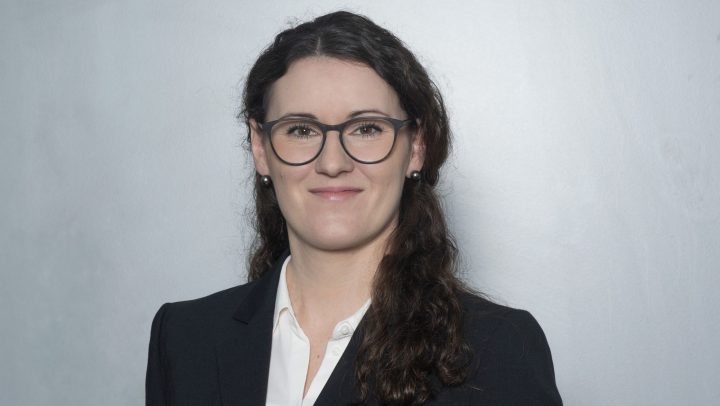
EWI alumnus heads office of the Expert Council on Climate Issues

The Expert Council on Climate Issues has appointed Dr. Jakob Peter, a 2019 EWI doctoral candidate, as its secretary general. He will establish and manage the Council’s office in Berlin.

Expert Council on Climate Issues presents report on 2020 immediate action program

The Expert Council on Climate Issues evaluates the assumptions of the federal government’s immediate action program for the building sector, which had become necessary in accordance with the Federal Climate Protection Act.

High costs for gas, hard coal and CO<sub>2</sub> drive up electricity prices

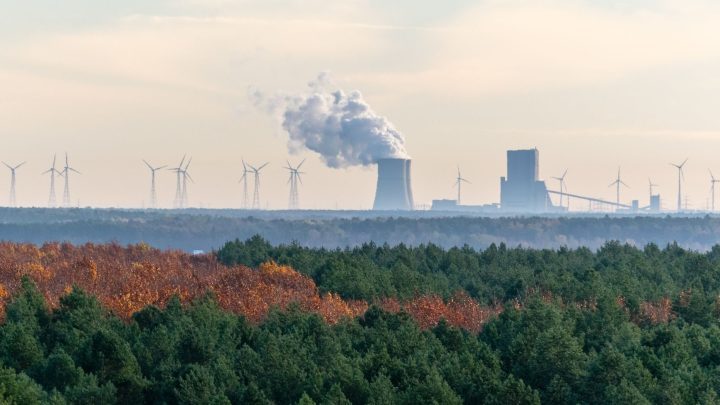
Prices on the electricity exchange are currently higher than they have been since 2008. A new analysis by the Institute of Energy Economics (EWI) identifies factors for this.

Institute launches EWI Academy

The Institute of Energy Economics (EWI) offers trainings on energy economics topics for policy and practice.

EWI Insights: The “charging trilemma” in smart charging of electric cars

Charging electric cars poses challenges for power grids. But research and practice can alleviate the so-called charging trilemma. An article by Arne Lilienkamp and Wolfgang Ketter.

Simulation game: Students simulate climate protection negotiations

At the 13th edition of the CEMS Model UNFCCC simulation game, students simulate international climate politics as they would at the United Nations.

MAGPIE project: EWI researches smarter, greener ports

An international consortium of 45 companies, research institutes and port operators is investigating how ports can become more sustainable, greener and smarter in the MAGPIE research project.

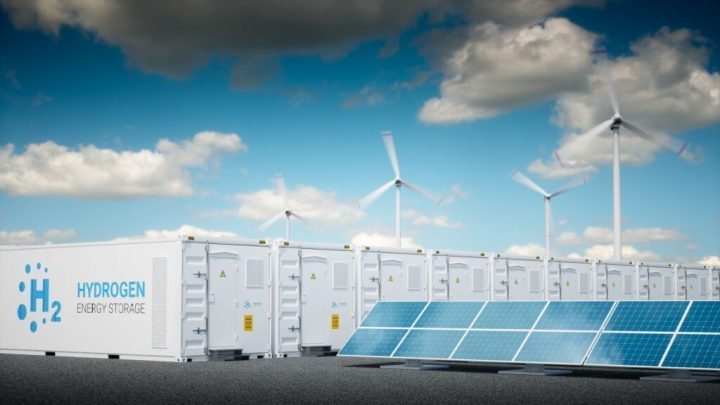
Hydrogen market ramp-up: energy suppliers take on a central role

Energy suppliers are already positioning themselves as key players in the production of green hydrogen. A new EWI policy brief also highlights challenges in coordinating demand.